Wildflower Meadows — Poland

Establishing and Caring for Wildflower Meadows

A field reference on converting grass to species-rich meadow in Polish growing conditions. From soil preparation to the first full flowering season.

A diverse wildflower meadow in full bloom

What This Reference Covers

Wildflower meadows in Poland occupy a specific ecological position. The country's varied topography — from the lowland plains of Mazowsze to the foothills of the Tatry — supports a range of meadow types, each with its own seed mix requirements and management rhythm.

This guide focuses on the practical steps involved: reading your site, reducing soil fertility, selecting regionally appropriate seed, and establishing a maintenance cycle that allows the meadow to self-renew. The content draws on published horticultural guidance and publicly available ecological references.

All three articles below cover distinct phases of the process and link to authoritative external sources for further reading.

Key Facts for Poland

Climate zone Predominantly Dfb (humid continental); growing season April–October
Soil types Varies from sandy loams in the north to heavier clay-loam soils in the south
Best sowing Late August–September or April, depending on species mix
Key cut Once annually in late September to early October after seed set
Soil fertility Reduction is the single most important preparation step

Guides on Wildflower Meadow Establishment

Three focused articles covering the core stages: initial site work, understanding which plants grow naturally in Poland, and the year-round maintenance cycle.

A wildflower meadow during establishment

Site & Preparation

How to Establish a Wildflower Meadow in Poland

Step-by-step guidance on assessing soil conditions, suppressing existing grass, selecting a seed mix suited to Polish growing regions, and managing expectations through the first two seasons.

Read the guide →
Centaurea cyanus, the cornflower, a native Polish meadow plant

Plant Reference

Native Wildflowers of Polish Meadows: A Field Reference

Profiles of the key species that occur naturally in Polish meadow habitats, including ecological roles, growing conditions and notes on regional variation from lowlands to upland areas.

Read the guide →
Leucanthemum vulgare, oxeye daisy, flowering in a summer meadow

Ongoing Care

Seasonal Meadow Maintenance: What to Do Month by Month

A practical year-round calendar covering spring survey work, summer observation, the critical autumn cut, seed collection, and winter planning for established wildflower meadows.

Read the guide →

Plants Characteristic of Polish Meadows

A selection of species widely documented in Polish meadow habitats, from arable-edge annuals to persistent perennials found across different soil types.

Centaurea cyanus — cornflower

Cornflower

Centaurea cyanus

An annual once common in arable fields across Poland. Suited to disturbed, low-fertility soils. Self-seeds readily in the first two seasons.

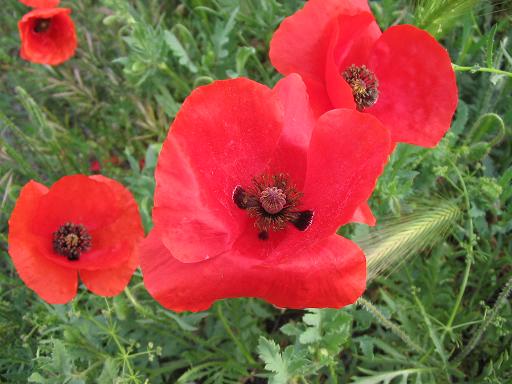
Papaver rhoeas — common poppy

Common Poppy

Papaver rhoeas

A short-lived annual that germinates from a persistent soil seed bank. Prominent in the first year after soil disturbance; fades as perennials establish.

Matricaria chamomilla — chamomile

Chamomile

Matricaria chamomilla

A scented annual found on light, neutral to slightly acid soils. Characteristic of sandy lowland meadows in central and eastern Poland.

Leucanthemum vulgare — oxeye daisy

Oxeye Daisy

Leucanthemum vulgare

A robust perennial tolerant of a wide range of soils. One of the most reliable long-term colonisers in established Polish meadows.

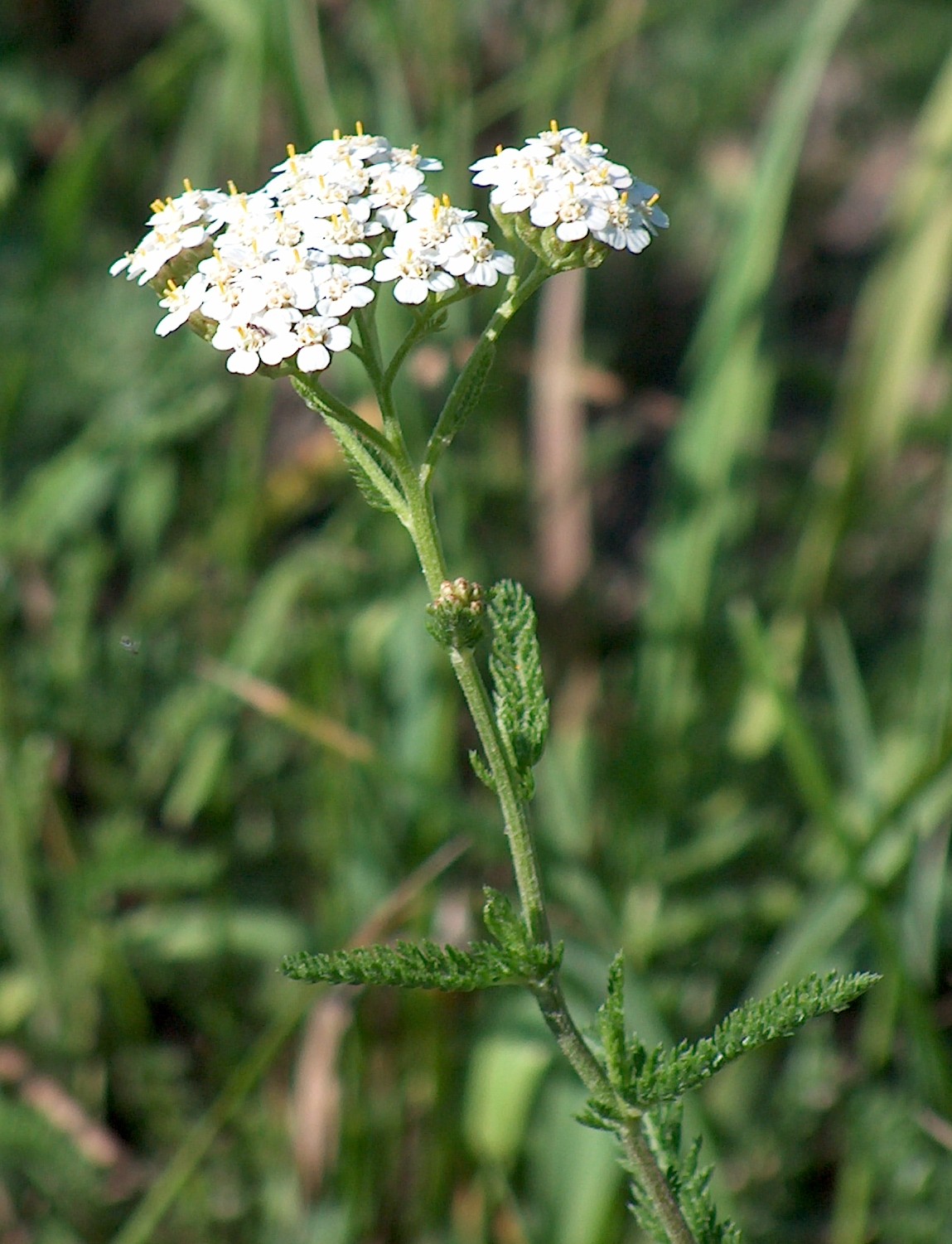
Achillea millefolium — yarrow

Yarrow

Achillea millefolium

A perennial with finely divided foliage, drought-tolerant and adaptable. Spreads slowly by rhizome and provides a stable structural element in the meadow.

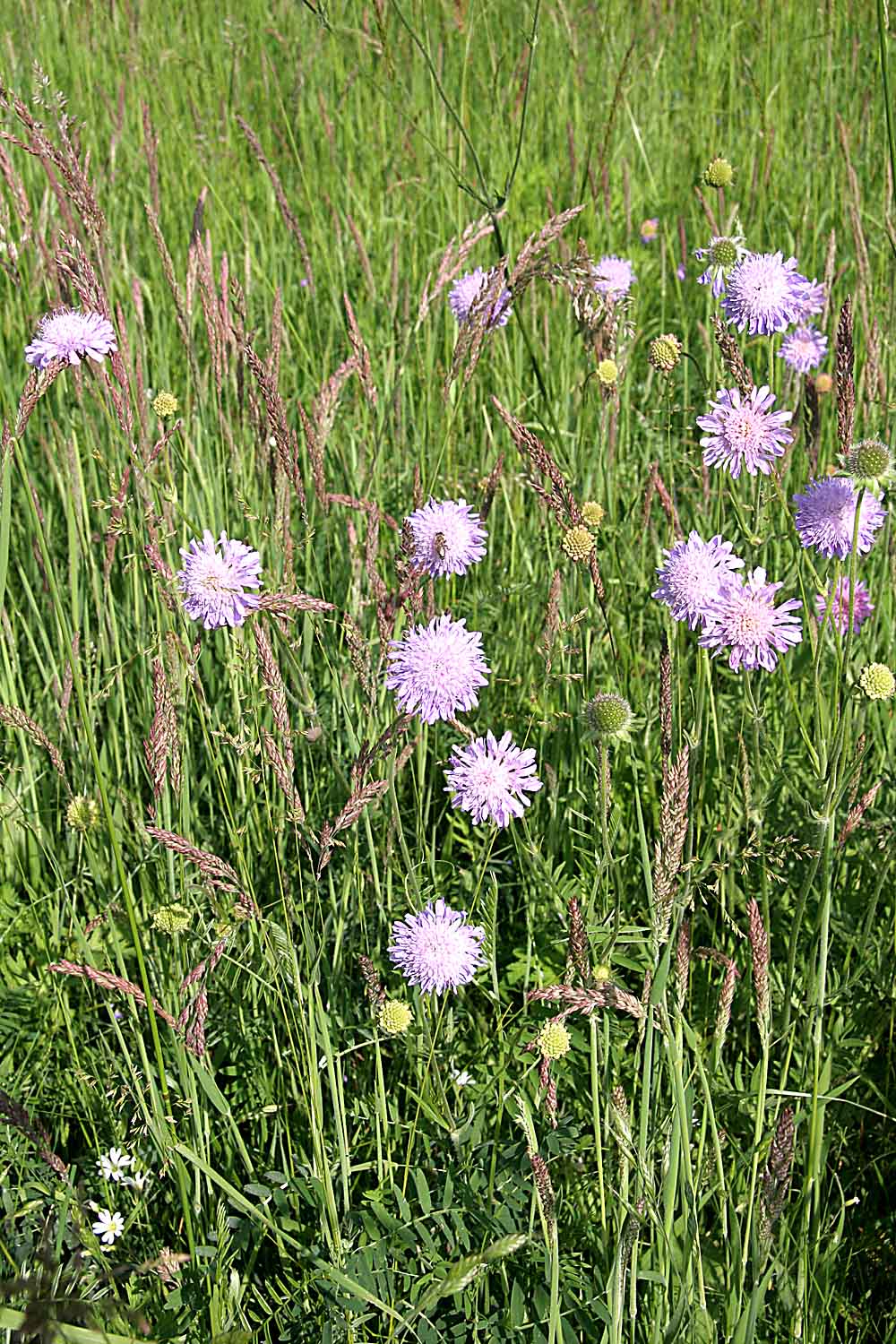
Knautia arvensis — field scabious

Field Scabious

Knautia arvensis

A tall perennial of dry to moderately moist meadows. Late-flowering, extending the season into August and September; important for late-season pollinators.